The True Cost of Caring for Terminally Ill Orphans in Ukraine: Inside the City of Goodness
Key Takeaways (Quick Facts)
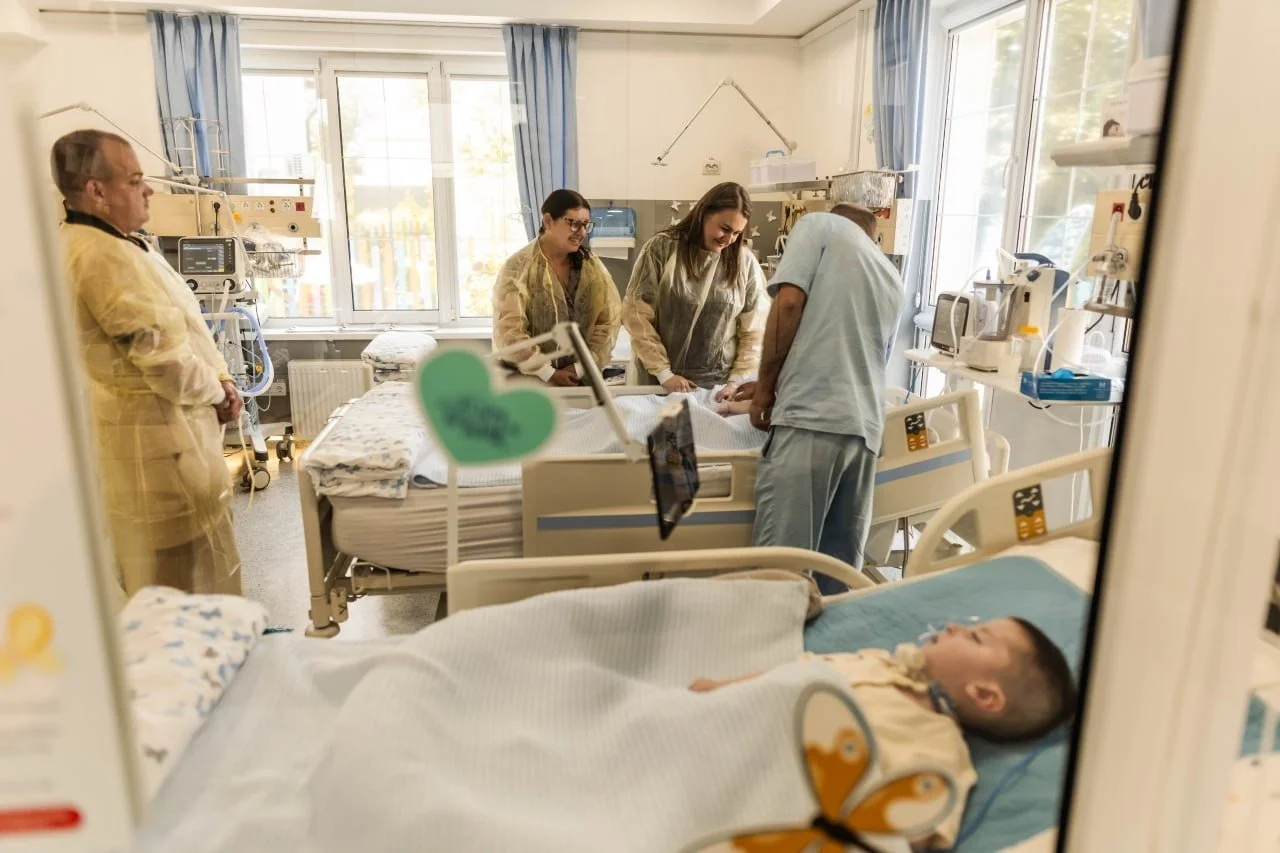
The Mission: The "House of Butterflies" at the City of Goodness is Ukraine's first charitable pediatric palliative center, entirely sustained without state funding through a coalition of dedicated donors and organizations like UWAA.
The Cost: It requires $84,200 per month to provide life-saving care for 100 terminally ill orphans.
The Care Team: The center employs 17 specialized doctors, 22 nurses, and 74 specially trained junior nurses to provide 24/7 support.
Wartime Needs: Funds cover critical wartime expenses, including emergency medical evacuations and diesel generators for life-support machines.
At the City of Goodness, the "House of Butterflies" stands as a sanctuary of hope and healing. As Ukraine's first charitable pediatric palliative center, it is a place where terminally ill children find not just advanced medical care, but bedtime stories, therapeutic gardens, and warm hugs from dedicated nannies.
While UWAA is proud to help fund many of the vital projects at the City of Goodness, making this sanctuary possible takes a global community. It is through the collective strength of generous individual donors, partner organizations, and supporters like ours working hand-in-hand that this life-saving work happens every day.
Behind this resilience lies a stark reality: sustaining this level of specialized care during a war requires immense, continuous resources. We believe in complete transparency with our donors about what it takes to keep the City of Goodness running.
Here is exactly what it costs to provide life-saving and life-enhancing care for 100 terminally ill orphans in Ukraine.
The Financial Reality: An $84,200 Monthly Budget
Currently, the center requires a monthly budget of $84,200. This funding is the lifeline for these vulnerable children and supports three main pillars of care.
1. Comprehensive, Round-the-Clock Medical Care
When medicine reaches its limits, the quality of daily care means everything. This budget ensures these children have 24/7 support from a massive, highly specialized team. This includes:
A Dedicated Medical Roster: 17 doctors (including pediatricians, neurologists, anesthesiologists, cardiologists, and orthopedists), 22 nurses, and 74 specially trained junior nurses who act as both caretakers and family to these children.
Holistic Rehabilitation: Access to physical rehabilitation specialists, speech therapists, occupational therapists, psychologists, and psychiatrists.
In-House Diagnostics: Essential laboratory testing (blood, urine, stool) and advanced diagnostic procedures (EEGs, ECGs, CT scans, X-rays, and ultrasounds) to actively monitor their fragile health.
2. Wartime Necessities: Evacuations and Energy Independence
Caring for children with severe neurological and respiratory conditions is challenging in peacetime. In a country under fire, it brings unprecedented costs:
Energy Independence: Frequent power cuts pose a lethal threat to children relying on oxygen and life-support machines. A significant portion of funding goes toward diesel generators and fuel to ensure the bomb shelters and medical units remain fully powered.
Emergency Evacuations: The center constantly runs palliative evacuations — racing against time, shelling, and blackouts to rescue terminally ill children from danger zones using fully equipped ambulances.
3. Dignity and Childhood: Specialized Daily Needs
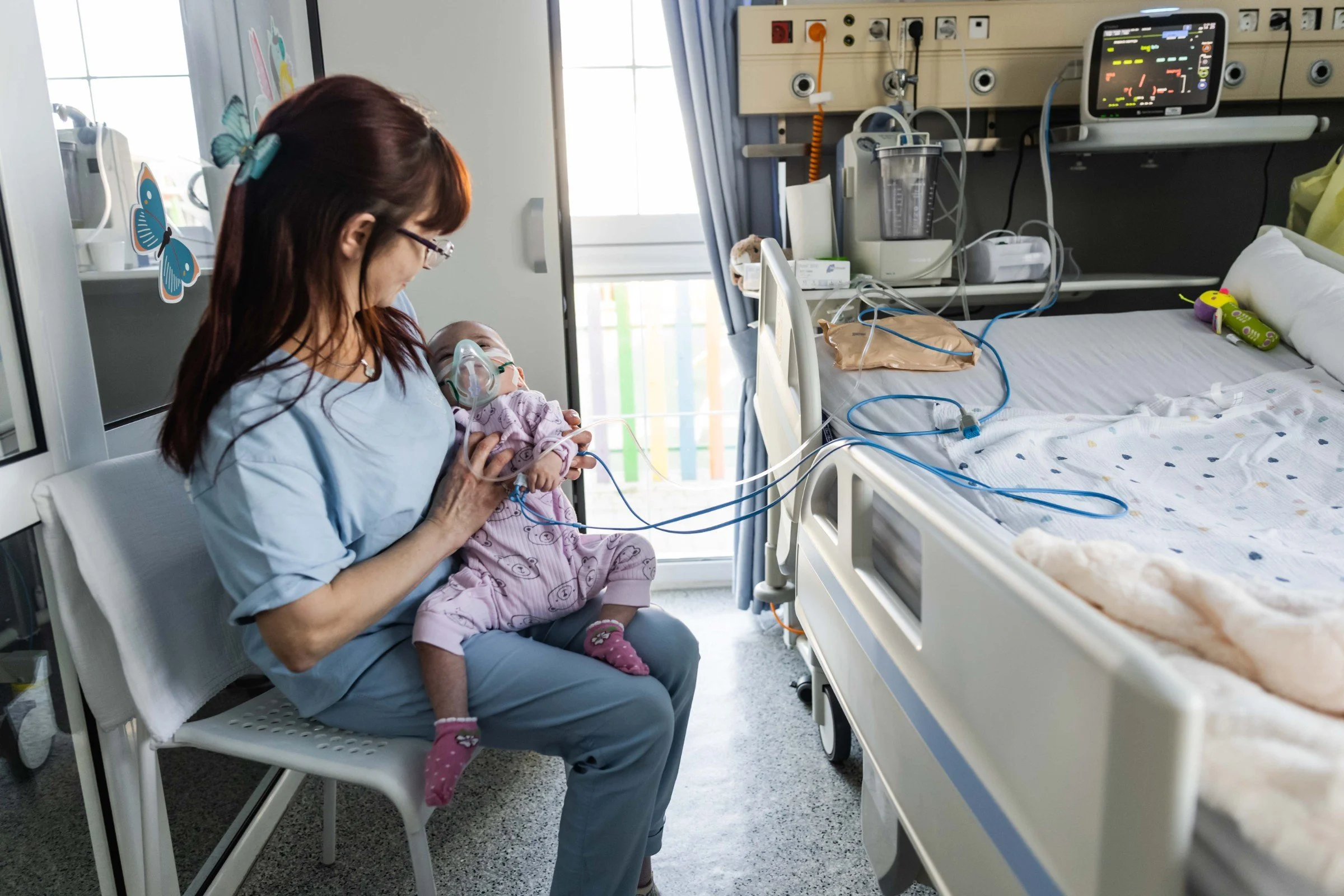
The $84,200 doesn't just pay for survival; it pays for dignity. Because many of the children are entirely bedridden, standard clothing does not work. The budget covers the ongoing costs of designing and sewing custom adaptive clothing tailored individually to each child's physical needs.
It also covers dental care, haircuts from visiting barbers, educational activities like art and music lessons, and the simple joy of being taken outside to feel the sun.
How You Can Support the City of Goodness
The House of Butterflies operates entirely without state funding. It was built by compassion and is sustained purely through international solidarity — combining the dedicated efforts of UWAA, partner organizations, and generous donors around the world. Every dollar donated translates directly into oxygen, warmth, safety, and love for a child who has no one else.
By understanding the true cost of this care, you can see exactly where your support goes.